

Denture Relines & Repairs in Raleigh, NC
Loose, uncomfortable, or damaged dentures can make everyday activities like eating and speaking more difficult than they need to be. At NewStart Denture + Implant Partners, we provide denture relines and repairs in Raleigh, NC, to help restore the fit, comfort, and function of existing dentures when they remain suitable for continued use.
Dr. Mark Scurria and Dr. Bruce Gray each bring more than 35 years of experience to denture care. Our prosthodontics-focused practice combines extensive clinical experience with modern digital technology to determine whether your denture should be adjusted, relined, repaired, or replaced.
If your dentures are moving, causing sore spots, or showing signs of damage, don't wait for the problem to become more disruptive.
Stop Suffering. Time for a NewStart.
Call (919) 850-5885 to schedule a consultation at our Raleigh office.
Denture Relines & Repairs Can Help Your Dentures Fit and Function Better
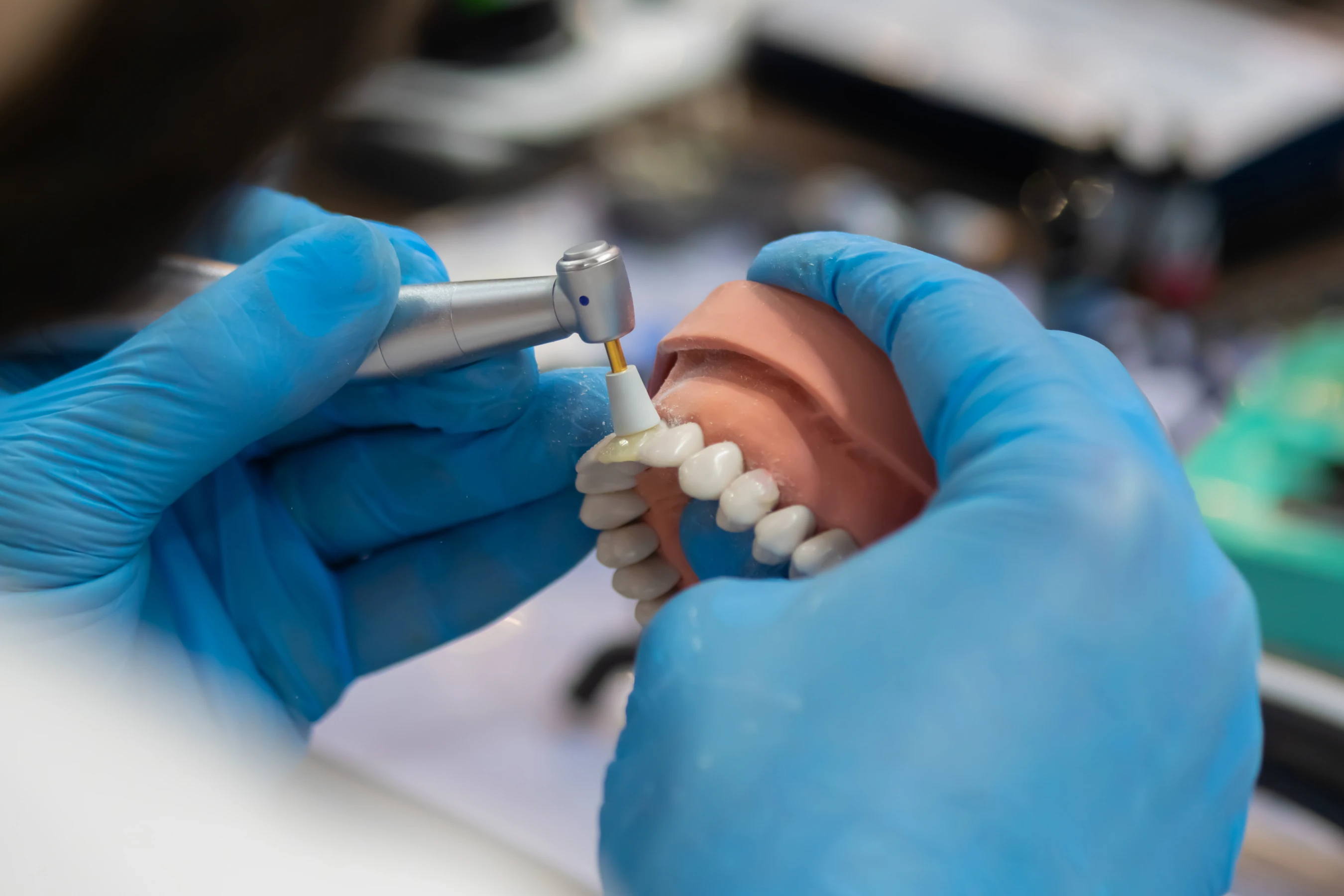
A denture reline modifies the tissue-facing surface of an existing denture so that it more closely adapts to the current shape of your gums. A denture repair addresses physical damage to the appliance, such as certain cracks, fractures, or damaged denture teeth.
Neither treatment is automatically appropriate for every denture problem. Sometimes a small adjustment is enough. In other cases, an aging, severely worn, repeatedly repaired, or poorly fitting denture is better replaced.
At NewStart, we evaluate the entire situation before recommending treatment. Patients who want to understand their broader options can also explore our denture solutions.
Signs Your Dentures May Need Attention
Dentures don't necessarily maintain the same fit indefinitely. Your mouth can change over time, and the denture itself can experience wear or damage.
Schedule an evaluation if you notice:
- Dentures that feel increasingly loose
- Movement when speaking or chewing
- New pressure points or sore areas
- Gum irritation
- Food becoming trapped beneath the denture
- Increased reliance on denture adhesive
- Changes in how your teeth come together
- Difficulty chewing foods you previously managed comfortably
- A visible crack in the denture base
- Chipped, loose, worn, or broken denture teeth
- A partial denture that no longer feels secure
- A denture that has fractured into separate pieces
A changing fit doesn't necessarily mean your denture was made incorrectly. The tissues and underlying structures supporting dentures can change over time. An appliance that once fit comfortably may therefore become less stable.
Don't Ignore a Denture That Suddenly Feels Different
A significant change in fit deserves professional evaluation rather than simply adding more adhesive. The goal is to determine why the denture has changed and whether an adjustment, reline, repair, or replacement is appropriate.
This is especially important for caregivers helping an older parent, spouse, or family member. Changes in eating habits, avoiding certain foods, mouth soreness, or reluctance to wear dentures can be signs that the appliance needs attention.
What Is a Denture Reline?
A denture reline involves modifying the surface of the denture that rests against the oral tissues. The purpose is to improve the relationship between the existing denture and the current contours of the mouth.
Relining can be useful when the overall denture remains serviceable but changes in the gums and supporting tissues have reduced its fit.
A reline does not create an entirely new denture. The existing denture teeth, general design, and much of the original appliance remain. Because of this, relining has limitations. It cannot solve every problem associated with an old, worn, damaged, or poorly designed denture.
Hard Denture Relines
A hard reline uses a firmer denture-base material to adapt the internal surface of the appliance to the mouth.
This approach may be considered when the denture remains in suitable overall condition but no longer adapts closely enough to the supporting tissues.
Before recommending a hard reline, we consider factors such as the condition of the denture, tissue health, bite, stability, and the extent of the fit discrepancy.
Soft Denture Relines
A soft reline uses a more resilient material against the tissues. In selected situations, this cushioning may be helpful for patients whose oral tissues require a different approach to managing pressure and comfort.
Soft materials have different maintenance and longevity considerations than harder denture materials, so they are not automatically the best choice for every loose denture.
Denture Reline vs. Denture Adjustment
A reline and an adjustment are not the same treatment.
A reline changes a broader portion of the denture's tissue-facing surface to improve adaptation to the gums.
An adjustment usually involves modifying specific areas that are creating pressure, interfering with comfort, or affecting function.
Your evaluation helps determine which problem is actually present.
What Types of Denture Damage Can Be Repaired?
Many patients assume that a cracked or damaged denture automatically needs to be replaced. Others assume virtually anything can be repaired. Neither is always true.
Whether repair is advisable depends on the location and extent of the damage, the denture's materials, its age, its existing fit, and its overall structural condition.
Cracked or Fractured Denture Bases
A crack in the acrylic base may sometimes be repairable. However, it is important to understand why the denture fractured.
Repeated fractures may indicate a larger problem involving fit, bite, material fatigue, or the design and condition of the appliance. Simply repairing the same fracture repeatedly may not provide a satisfactory long-term solution.
Broken or Chipped Denture Teeth
Damaged denture teeth can sometimes be repaired or replaced without making an entirely new prosthesis. The surrounding material and overall condition of the denture must first be evaluated.
Damaged Partial Dentures
Partial dentures can develop problems involving their teeth, base, fit, or other components. Because partial dentures interact with remaining natural teeth, professional evaluation is particularly important before deciding on a repair.
Patients whose current appliance is no longer suitable may want to learn about modern partial dentures as a replacement option.
Don't Use Household Glue to Repair Your Dentures
Trying to permanently repair a denture with household glue or an improvised material can make professional repair more difficult and may expose your mouth to materials that were never intended for oral use.
If a denture breaks, keep the pieces together and contact our Raleigh office for guidance.
Benefits of Professional Denture Relines & Repairs
When the existing denture is a good candidate, professional treatment may help:
- Improve denture stability
- Restore a closer fit
- Reduce unwanted movement
- Improve comfort
- Address certain pressure areas
- Restore damaged components
- Improve chewing function when the underlying denture remains suitable
- Extend the useful service life of an otherwise acceptable denture
The key phrase is when appropriate. Saving an existing denture makes sense when doing so provides a predictable result. Continuing to repair an appliance that has significant functional, structural, or aesthetic problems may not.
Our Denture Reline & Repair Process in Raleigh
Step 1: Evaluate Your Mouth and Existing Denture
We begin by examining both the appliance and the tissues supporting it.
Depending on your situation, we may assess:
- Overall denture fit
- Areas of movement
- Pressure points
- Gum condition
- Bite relationship
- Denture tooth wear
- Cracks or fractures
- Structural integrity
- Previous repairs
- Age and condition of the appliance
This evaluation helps us look beyond the immediate symptom.
Step 2: Decide Whether to Adjust, Reline, Repair, or Replace
Our goal is to recommend a solution appropriate for your actual condition—not automatically the most extensive treatment.
A relatively healthy denture with a changing tissue fit may benefit from relining. A structurally damaged but otherwise acceptable denture may be repairable. A localized pressure area may require adjustment.
When the denture has extensive wear, poor function, recurring fractures, significant aesthetic problems, or other limitations, replacement may be the more predictable option.
Step 3: Complete the Appropriate Treatment
Once the problem and treatment plan have been established, we complete the indicated repair, reline, or adjustment according to the needs of the appliance.
The exact process varies because repairing a damaged tooth is different from addressing a fractured base or adapting a loose denture to changed oral tissues.
Step 4: Check Fit, Bite, Comfort, and Function
Treatment doesn't end simply because the damaged area has been repaired or new reline material has been added.
We evaluate how the denture fits and functions and provide appropriate instructions for wearing and caring for it. Follow-up may be recommended depending on the treatment and your individual needs.
How Long Does a Denture Reline or Repair Take?
The time required for a denture reline or repair depends on what needs to be done.
A relatively straightforward repair is different from extensive structural damage. Likewise, the process for relining an existing denture depends on the appliance, materials, condition of the mouth, and treatment approach.
NewStart uses advanced digital technology in our denture practice, and digital workflows can make certain aspects of denture care more efficient. However, we don't promise a specific turnaround until we have evaluated your denture.
If being without your denture is a concern, tell us when scheduling your appointment so our team understands your situation.
How Much Do Denture Relines & Repairs Cost in Raleigh, NC?
There is no single price that applies to every denture repair or reline. Cost depends on the treatment required and the condition of the existing appliance.
Factors can include:
- Whether you need a repair, adjustment, or reline
- Type and extent of damage
- Denture materials
- Full versus partial denture
- Number of damaged components
- Complexity of the repair
- Condition and age of the existing denture
- Whether additional adjustments are necessary
- Whether replacement would provide a more appropriate long-term result
NewStart emphasizes clear treatment discussions so patients and caregivers can understand their options before deciding how to proceed.
For patients considering how to manage treatment expenses, information about available financing can be found through our payment plan options.
Is It Safe to Keep Wearing Loose or Broken Dentures?
Continuing to wear a poorly fitting or damaged denture can cause problems.
A loose denture may move against oral tissues, contribute to irritation, make chewing more difficult, or create uncomfortable pressure. A damaged denture may also worsen if it continues to flex or is subjected to chewing forces.
A sharp or significantly fractured appliance should not simply be ignored.
If your denture suddenly breaks, stop attempting to force damaged pieces together and contact a dental professional. Professional assessment can determine whether repair is reasonable and whether another issue contributed to the break.
Who Is a Good Candidate for a Denture Reline?
You may be a candidate for relining when:
- Your denture has become loose as your mouth has changed
- The denture base and teeth remain in acceptable condition
- The existing design remains appropriate
- There are no major bite problems that a reline cannot address
- Improving adaptation to the tissues is the primary need
- The denture remains worth maintaining rather than replacing
The decision requires more than checking whether the denture feels loose. We also consider its overall function, age, condition, and relationship with your oral tissues.
Who May NOT Be a Good Candidate for a Denture Reline?
Relining isn't intended to rescue every old denture.
A new denture may deserve consideration when an existing appliance has:
- Severe tooth wear
- Extensive structural deterioration
- Repeated fractures
- Significant bite problems
- Unsatisfactory aesthetics that the patient wants changed
- Major design limitations
- Multiple problems beyond tissue adaptation
- Reached a point where further repairs offer poor long-term value
For patients missing all teeth in an arch, our full dentures page explains modern replacement options.
When a New Digital Denture May Be the Better Solution
Sometimes repairing an aging denture is no longer the most practical approach.
NewStart Denture + Implant Partners has incorporated digital denture care into the practice since 2015. Our digital capabilities include scanning, computer-aided design, and modern fabrication approaches.
Our digital dentures can provide an important advantage for future care: a permanent digital record.
When appropriate records are available, reproducing a lost or damaged digital denture can be significantly more efficient than starting over with a completely traditional workflow. Digital technology also allows precise design and extensive personalization.
Replacement may deserve consideration if your existing denture has experienced repeated repairs, significant wear, compromised aesthetics, or broader fit and functional problems that relining cannot adequately address.
Alternatives to Relining or Repairing Your Dentures
Denture care is not one-size-fits-all. If maintaining your current denture is not the best solution, we can discuss alternatives based on your oral condition, goals, comfort, and budget.
Options may include a new full or partial denture, a modern digital denture, or an implant-assisted prosthesis.
For patients frustrated by movement from conventional dentures, implant-retained dentures may provide another option. These removable prostheses use dental implants for additional retention.
Important: NewStart does not place dental implants. We provide implant-retained, implant-supported, overdenture, and full-arch restorative solutions and coordinate appropriately when implant placement is required.
Our objective is not to push every patient toward expensive implant treatment. It is to identify a solution that makes sense for the individual patient.
Why Choose NewStart for Denture Relines & Repairs?
NewStart Denture + Implant Partners is a prosthodontics-focused practice serving patients with denture, implant-restoration, and complex prosthetic needs.
Dr. Mark Scurria and Dr. Bruce Gray each have more than 35 years of experience and have cared for thousands of denture patients. Their experience is combined with digital technology designed to make modern denture treatment more precise and efficient.
Patients choose NewStart for:
- More than 35 years of experience from each doctor
- A strong focus on dentures and implant prosthetics
- Advanced digital denture workflows
- Extensive experience with challenging denture situations
- Individualized treatment recommendations
- Compassionate, respectful care
- Clear communication with patients and caregivers
- A philosophy centered on practical treatment rather than unnecessary procedures
- Permanent digital records for applicable digital dentures
You can meet our prosthodontic team and learn more about the people behind your care.
Dedicated to Care at a Higher Level.
Denture Care for Patients and Caregivers in Raleigh
Denture problems don't affect only the person wearing the appliance.
Adult children, spouses, and other caregivers often help older family members recognize problems, schedule appointments, understand treatment recommendations, and navigate decisions about replacement.
At NewStart, we understand that process.
If you're scheduling for a parent, spouse, or loved one, tell us what's been happening. Has the denture become loose? Are they avoiding certain foods? Have you noticed a crack? Are they repeatedly using adhesive? Did another provider recommend an expensive treatment and you're looking for another perspective?
We aim to make those conversations clear and respectful so families can make informed decisions together.
Denture Relines & Repairs for Raleigh and Surrounding Communities
NewStart Denture + Implant Partners is located at 2310 Myron Drive, Suite 100, Raleigh, NC 27607.
Our Raleigh prosthodontic practice welcomes patients from throughout Wake County and the broader region, including communities such as Cary, Apex, Morrisville, Garner, Wake Forest, Holly Springs, Fuquay-Varina, and surrounding areas. We also see patients who travel from farther away for specialized denture care.
For patients and caregivers making the trip to Raleigh, our focus is straightforward: understand the problem, explain the available choices, and determine what approach makes the most sense.
Stop Suffering — Time for a NewStart
A loose denture doesn't automatically need replacement. A broken denture isn't automatically repairable. And an older denture shouldn't be repeatedly patched if a new solution would provide better long-term function.
The first step is finding out what is actually wrong.
If your dentures are loose, uncomfortable, worn, cracked, or broken, request a consultation with NewStart Denture + Implant Partners in Raleigh.
Call (919) 850-5885.
FAQs about Denture Relines & Repairs
Lorem ipsum dolor sit amet, consectetur adipiscing elit, sed do eiusmod tempor incididunt ut labore et dolore magna aliqua. Ut enim ad minim veniam, quis nostrud exercitation ullamco laboris nisi ut aliquip ex ea commodo consequat. Duis aute irure dolor in reprehenderit in voluptate velit esse cillum dolore eu fugiat nulla pariatur.
How do I know if my dentures need to be relined?
A reline may be appropriate if your denture has become loose even though the teeth, base, bite, and overall appliance remain in acceptable condition. Movement while eating, food collecting underneath the denture, new sore areas, and increasing adhesive use can indicate fit changes. An examination is needed to determine whether relining, adjustment, or replacement is appropriate.
How often do dentures need to be relined?
There is no universal schedule for denture relining because oral tissues and dentures change differently from patient to patient. Fit should be evaluated when a denture becomes noticeably loose, uncomfortable, unstable, or difficult to use. Regular dental examinations can also identify changes before they become significant enough to interfere with everyday function.
How much does a denture reline cost in Raleigh, NC?
The cost of a denture reline varies according to the appliance, reline type, materials, clinical needs, and whether other treatment is necessary. An evaluation also determines whether investing in a reline makes sense for the condition of your current denture. NewStart discusses recommended treatment and applicable financial options before proceeding.
How long does a denture reline take?
Turnaround depends on the type of reline, the condition of your denture, and the clinical and fabrication steps required. Because every situation is different, NewStart does not promise a universal turnaround time without first evaluating the appliance. Let our team know if being without your denture creates a particular concern.
Can a broken denture be repaired?
Many broken dentures can be repaired, but repairability depends on the location and severity of the fracture, denture materials, age, fit, and overall condition. Repeated fractures can indicate an underlying functional or structural problem. A prosthodontic evaluation can determine whether repair or replacement offers the more predictable solution.
Can a cracked denture be repaired instead of replaced?
Sometimes. A limited crack in an otherwise serviceable denture may be repairable. Replacement may be more appropriate when there are repeated fractures, extensive wear, poor fit, major bite problems, or significant structural deterioration. Examining the entire denture helps determine whether repairing the crack will provide reasonable long-term value.
Is it safe to repair broken dentures at home?
Household glue and improvised repair materials should not be used as permanent denture repairs. They may make professional repair more difficult and can introduce materials that weren't designed for use in the mouth. Keep broken pieces together, avoid forcing them back into place, and contact a dental professional for appropriate guidance.
Why have my dentures become loose over time?
The gums and supporting structures beneath a denture can change over time, altering how closely the appliance fits. Denture materials and teeth can also experience wear. As a result, a denture that originally fit well may eventually move more during eating or speaking and require adjustment, relining, or replacement.
Ready to Feel Comfortable in Your Dentures Again?
You shouldn't have to organize every meal, conversation, or social activity around an uncomfortable denture.
NewStart Denture + Implant Partners provides experienced prosthodontic care for patients with loose, damaged, worn, and difficult dentures in Raleigh and surrounding North Carolina communities.
NewStart Denture + Implant Partners
2310 Myron Drive, Suite 100
Raleigh, NC 27607
(919) 850-5885
Stop Suffering. Time for a NewStart.
